Owning and traveling in a motorhome can feel like stepping into a different pace of life, one measured by miles, weather, and the sunrise over new horizons. This guide walks through the essentials — from choosing the right class and floorplan to hands-on maintenance, trip planning, and the small habits that make long-term road living comfortable. Whether you’re considering your first purchase or looking to refine a seasoned setup, the aim here is practical, honest, and useful advice drawn from real experience on the highway.
understanding the types and sizes
There are three dominant categories used to describe powered recreational vehicles: Class A, Class B, and Class C. Each type has clear trade-offs in space, drivability, fuel economy, and cost. Choosing between them comes down to priorities: living space versus maneuverability, or luxury features versus simplicity and economy.
Class A units are the large coach-style rigs often seen on long stretches of interstate. They offer expansive living areas, sometimes slide-outs that increase interior room, and amenities that rival small apartments. They are ideal if you plan extensive longer stays, want generous storage, and are comfortable handling a big vehicle.
Class B models are compact conversion vans that excel at agility and fuel efficiency. They fit into regular parking spaces, have lower running costs, and are easier to drive in urban environments. Space is limited, so good layout design and smart storage are essential if you choose this path.
Class C vehicles sit in the middle. Built on truck or van chassis with a distinctive over-cab sleeping area, they balance space and drivability. Many families and first-time buyers like this category because it combines a usable living area with a reputation for straightforward maintenance.
quick comparison
Here’s a short table highlighting the main differences so you can scan what matters most: size, cost, and intended use. The table is a snapshot, not a substitute for test-driving and inspecting specific models.
| Class | Typical length | Strengths | Considerations |
|---|---|---|---|
| Class A | 26–45 ft | Spacious, full amenities | Higher fuel/parking costs |
| Class B | 16–24 ft | Fuel-efficient, nimble | Limited living/storage space |
| Class C | 20–33 ft | Balanced space/driving | Less luxurious than Class A |
new versus used: a detailed look
Buying new gives you the latest tech, factory warranties, and the chance to spec systems to your preferences. The downside is depreciation — a new rig loses value quickly in the first few years — and a higher upfront price. If you want modern safety features and a clean slate, new can be worth it.
Used vehicles offer more value for the dollar, but they require careful inspection. Many wear items are not obvious: water damage in cabinetry, hidden electrical issues, or neglected chassis maintenance. If you choose used, budget for a professional inspection and factor in likely repairs or upgrades.
Whether new or used, keep service history and build quality on your checklist. Brands, chassis suppliers, and the quality of workmanship matter. Read owner forums for model-specific quirks and find a reputable dealer or private seller with transparent paperwork.
inspecting a used unit
When I first searched, a detailed inspection saved me from a purchase with hairline frame issues that the seller had hidden. A few key checks will protect you: look for soft spots in flooring, water stains under sinks and around windows, odors that signal mold, and signs of uneven tire wear that might indicate alignment problems.
Open cabinets and look up into the ceiling for discoloration. Run the water systems and flush the toilet to watch for leaks. Test the electrical outlets, lights, and any appliances on shore power and generator if present. Finally, take a thorough test drive on varied roads to assess braking, transmission response, and noise levels.
layout, floorplans, and what works for you
Layout is where personal lifestyle meets square footage. Some people prioritize a full-size refrigerator and oven; others accept a compact kitchen to gain more seating or storage. Consider how you live day-to-day: do you cook often, work remotely, or need space for bikes and outdoor gear?
Sleeping arrangements matter more than buyers anticipate. A permanent queen bed is comfortable but reduces living area in smaller rigs. Convertible sofas or dinettes save room but require nightly setup. If you travel with pets or multiple adults, prioritize sleeping space and privacy.
Storage deserves its own planning session. Exterior bay storage is great for bulky items, but remember weight limits and balance. Interior storage should include pantry space, clothing cabinets, and cleverly designed cubbies for small electronics and cleaning supplies.
practical layout tips
Look for slide-outs that create usable open areas rather than awkward jogs. In smaller class units, prioritize vertical storage and multi-use furniture. Consider where you’ll anchor a laptop or charging station if you work on the road, and check window placement for daylight and airflow.
When possible, choose a layout with separate zones: a sleeping area that can be darkened, a small kitchen that keeps cooking smells from the rest of the space, and a wet bath that contains moisture effectively. Zoning keeps daily life comfortable even in close quarters.
mechanicals and onboard systems explained
Understanding the main systems — chassis, engine, electrical, plumbing, and HVAC — reduces anxiety and keeps you safe. Each system has regular maintenance needs and common failure points to watch. Familiarize yourself with their operation before you head out on long trips.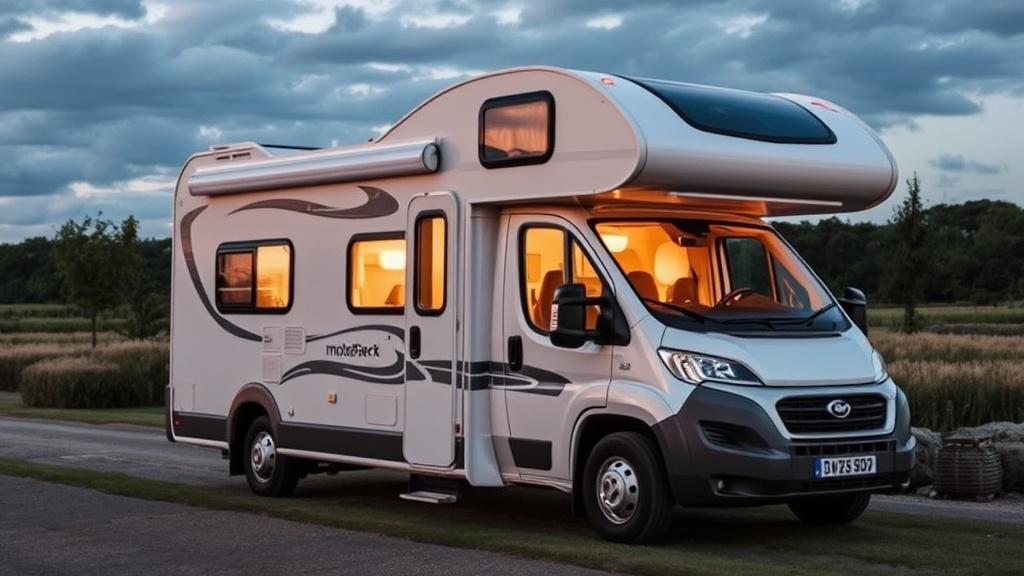
The drivetrain is the foundation. Gas or diesel engines have different cost structures and maintenance rhythms. Diesel often offers better fuel economy and torque for heavy rigs, along with longer engine life under load. Gas engines are cheaper upfront and easier to find service for in smaller towns.
Electrical systems are twofold: 12V DC for lights and control circuits, and 120V AC for household appliances when connected to shore power or running a generator. Modern rigs often include an inverter to convert 12V to 120V, and many have solar panels and lithium or AGM battery banks. Know your battery type and charging profile.
plumbing, water, and sanitation
Water systems are deceptively simple but critical. There are three tanks to understand: fresh water, gray water (sink/shower), and black water (toilet). Pumps, heaters, and valves need routine checks. Winterizing is essential in cold climates to prevent burst pipes and costly repairs.
I learned to always carry spare fittings and a flexible hose for water hookups after being stranded with a cracked inlet on a remote campsite. Carry basic tools for valve repairs and a reliable water filter for varied source quality. Emptying and cleaning the black tank on a regular schedule prevents buildup and odors.
driving, parking, and handling tips
Driving a large vehicle changes your perception of distance, braking, and lane choices. Allow greater following distances and brake earlier than you would in a car. Use mirrors constantly and make wider turns to avoid clipping curbs or misjudging corners.
Practice in a safe environment before attempting mountain passes, narrow country roads, or urban streets with tight turns. If towing a vehicle or trailer, understand tongue weight, trailer sway, and braking equipment rules that apply in different states.
Parking requires planning. Some city centers and older neighborhoods have low clearance or narrow streets. Look for overnight-friendly RV parks, and use apps that list boondocking spots and services. When boondocking, level the vehicle, stabilize it, and be mindful of local regulations.
tips for long drives
Break long days into manageable segments. Rotate drivers when possible, and schedule rest stops every two hours to stretch and reset. Keep a basic toolkit, tire pressure gauge, and a portable air compressor onboard. Tire blowouts and flat batteries are common causes of roadside stops, so preparedness pays.
Regularly check fluid levels and tire pressures at fuel stops. Changes in elevation and ambient temperature affect tire pressure, so adjust accordingly. A slow leak spotted early prevents being stranded in remote areas.
maintenance schedules that keep you moving
Routine maintenance avoids most downtime. Create a schedule for engine oil changes, transmission service, brake inspections, and chassis checks. For the living systems, replace water filters, inspect seals and seals around windows, and test safety devices like smoke and carbon monoxide detectors.
Document every service and repair. A well-kept log increases resale value and helps you detect patterns, such as an emerging electrical drain or repeated plumbing leaks. That log also helps mechanics when diagnosing issues.
Some tasks you can do yourself: replace wiper blades, change cabin filters, inspect belts and hoses, and shrink-wrap or reseal exterior seams with compatible sealants. Larger jobs, especially on diesel engines or complex HVAC systems, are better left to certified technicians.
safety systems and winter prep
Install and test alarms for smoke and carbon monoxide frequently. Keep an accessible fire extinguisher and a small first-aid kit that you check monthly. If you travel in wildfire or extreme weather areas, an emergency evacuations plan is essential.
Winterizing requires draining water systems, adding antifreeze where appropriate, and protecting batteries from deep discharge. Insulate exposed water lines and use heated tanks or tank heaters if you’ll be stationary in cold climates. I once neglected a small hose during an early freeze and paid for a replacement that was avoidable with proper prep.
budgeting and total cost of ownership
Beyond the sticker price, expect annual costs for insurance, registration, storage, campground fees, fuel, maintenance, and upgrades. Fuel is significant, especially for larger rigs with diesel or gasoline engines. Insurance varies with age, value, and your driving record.
Create a realistic monthly budget that includes a sinking fund for deferred replacements like tires, roof replacements, or refrigerator alternator repairs. For full-time travelers, ongoing internet access and mail-forwarding services add recurring costs worth planning for.
Consider resale: rigs with detailed service records, rust-free frames, and well-documented upgrades retain value better. Make upgrades that improve comfort and durability rather than purely cosmetic changes if you plan to sell later.
sample annual budget items
- Insurance and registration
- Routine maintenance and an emergency repair fund
- Fuel and propane
- Campground and dump fees
- Connectivity (cellular, satellite, or campground Wi-Fi)
insuring, registering, and legal considerations
Insurance needs vary by usage: occasional trips, cross-country travel, or full-time living. Look for policies that cover personal belongings, roadside assistance, and emergency living expenses if a covered loss occurs. Some insurers offer agreed-value coverage for older rigs, which can be beneficial.
Registration depends on state laws and can differ if you designate your vehicle as a recreational vehicle versus a commercial vehicle. If you plan to work remotely, check whether that affects your insurance or local residency rules.
When crossing borders, research temporary import regulations, insurance requirements, and what documentation you’ll need for any vehicle modifications. International travel adds paperwork and sometimes a notarized letter of consent if the vehicle is financed.
trip planning and where to go
Planning routes is both practical and part of the pleasure. Combine high-level goals — national parks, coastal roads, family visits — with daily mileage limits that keep travel enjoyable. Popular scenic corridors include the Pacific Coast Highway, the Blue Ridge Parkway, and the routes through the Southwest’s national park circuit.
Reservation systems matter. Busy seasons fill up months in advance at national parks and popular state parks. For flexibility, identify a mix of reserved and first-come sites, and keep alternative destinations in mind. Apps that show live availability can be lifesavers during peak times.
When I planned a month-long circuit, snagging a few key reservations enabled spontaneous detours between guaranteed sites. Balance is the key: enough structure to secure must-see places and enough slack to follow weather and whim.
boondocking and free camping
Boondocking — camping without utilities on public or private lands — saves money and offers solitude. It requires solar or generator power, a water plan, gray/black tank management, and respectful leave-no-trace practices. Know local regulations: some public lands limit stays or require permits.
Solar panels, battery storage, and efficient appliances extend your off-grid stay. Combine that gear with mindful water use and composting or portable waste solutions to minimize trips to dump stations. A portable generator adds flexibility but brings noise and emissions considerations.
conversions, upgrades, and DIY projects
Many owners customize rigs to suit their hobbies and lifestyle. Common upgrades include solar systems, lithium batteries, upgraded water filtration, and improved insulation. Small investments in LED lighting and efficient appliances reduce long-term energy use.
DIY projects can be rewarding but require research. Improper electrical work is a real hazard. If you’re not comfortable with wiring, hire a professional for critical upgrades, especially those involving batteries, inverters, or propane systems.
I installed a moderate solar array myself after studying wiring diagrams and attending a workshop. The extra power transformed winter stays and made many boondocking nights comfortable. The key was starting with a clear plan and purchasing equipment with good documentation and warranties.
popular upgrades to consider
- Solar panels and charge controllers
- Lithium battery conversion
- High-efficiency heat pump or upgraded furnace
- Water filtration and UV treatment
- Awning and outdoor living enhancements
community, culture, and the social side
The RV community is diverse: weekend campers, retirees, families, and full-time travelers. Meetups, online forums, and regional rallies are great ways to swap tips, trades, and repairs. Sharing knowledge helps everyone avoid repeating mistakes.
People often ask whether the lifestyle becomes isolating. It depends on how you seek company. I found that roadside friendliness and campground conversations quickly developed into lasting friendships. You’ll meet folks who know the best mechanic in a small town, or who will trade tools when you’re stuck.
Local clubs and brand-specific owners groups often host technical workshops and social events. Joining these networks can accelerate learning and make the road feel less solitary during long seasons away from home.
environmental considerations and greener choices
Travel creates a footprint, but there are ways to reduce it. Solar power and efficient appliances lower generator use. Choosing lighter rigs and maintaining tire pressure improve fuel economy. Plan routes to minimize unnecessary mileage and combine longer stays with local exploration on bicycles or electric scooters.
Propane is a common fuel for cooking and heating; consider induction cooking when on shore power to avoid combustion emissions and improve efficiency. When disposing of waste, use designated dump sites and avoid dispersing trash or greywater in natural areas.
Manufacturers increasingly offer cleaner diesel options and more efficient drivetrains. If sustainability is a core value, research models with the best fuel economy and smallest environmental impact for their class.
resources, apps, and tools that make life easier
Apps and online resources help with route planning, campground reservations, boondocking locations, and finding service centers. Some tools offer live updates on road conditions and low-clearance warnings that are essential for larger rigs.
Keep a mix of electronic and analog resources. Paper maps, a printed service log, and a paper copy of owner’s manuals are invaluable when connectivity is spotty. A portable Wi-Fi hotspot and a cellular booster can maintain reliable connectivity for work and navigation.
Key apps to consider include campground finders, trip planners, tire pressure monitoring integrations, and community forums for specific makes and models. Invest time in learning a few tools deeply rather than packing dozens of seldom-used apps.
final thoughts on making the lifestyle your own
Living in a motorhome reshapes daily priorities: simpler spaces require local thinking, repair skills become part of the routine, and planning turns into a habit. The best setups are those aligned with how you actually live, not how someone else uses their rig.
Start with honest self-reflection about travel style, maintenance tolerance, and budget. Test short trips with a rental if possible, then move up to longer journeys as systems and habits become familiar. For many, the learning curve is steep at first but becomes a comfortable rhythm filled with small wins and unexpected discoveries.
The road changes you in small ways — you learn to pack lighter, fix things on the fly, and appreciate quiet, open spaces. Practical preparation, a modest toolkit, and a willingness to learn will carry you far. If you decide to take that step, you’ll find a wealth of community knowledge ready to help and plenty of memorable mornings to greet you from new places along the way.